Tips for Creating a Cozy and Productive Home Office Space
Creating a home office that is both cozy and productive can greatly enhance your work-from-home experience. A well-designed space with the right atmosphere boosts focus, reduces stress, and helps separate work life from home life. Whether you are setting up a new work area or improving an existing one, these practical tips will guide you in crafting a home office that feels inviting and supports your daily tasks.
Choose the Right Location
Picking the ideal spot in your home is the first step in creating a productive workspace. Consider areas with good natural light, as sunlight can lift your mood and reduce eye strain. Avoid high-traffic zones or noisy places that might distract you during important tasks.
If space is limited, look for small nooks, under-the-stair areas, or corners in the bedroom or living room. Use partitions or room dividers to carve out a defined office zone, helping you feel more focused and organized.
Invest in Comfortable Furniture
Comfort is key to maintaining productivity. Choose an ergonomic chair that supports your posture and prevents back pain during long work periods. Your desk should be at a suitable height, allowing your arms to rest comfortably while typing or writing.
Consider adjustable furniture options to customize your setup. Standing desks can provide variation and reduce fatigue. Adding a footrest or cushioned chair mat also helps improve comfort.
Optimize Lighting
Good lighting reduces eye strain and improves concentration. Combine natural light with layered artificial lighting for the best results.
– Use a desk lamp with adjustable brightness and color temperature.
– Try soft, warm bulbs for a cozy atmosphere.
– Avoid glare on your computer screen by positioning your desk perpendicular to windows.
If natural light is scarce, full-spectrum bulbs that mimic daylight can be very helpful.
Personalize Your Space
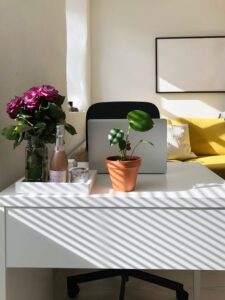
Adding personal touches makes your office feel welcoming and inspires creativity. Display items that motivate you, such as photos, art prints, or inspiring quotes. Incorporate colors you enjoy for the walls, accessories, or furniture.
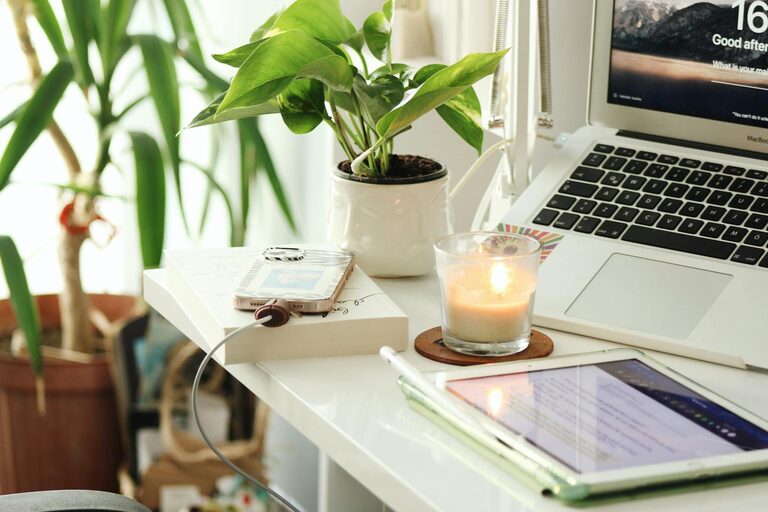
Plants are an excellent addition—they improve air quality and have a calming effect. Choose low-maintenance indoor plants like succulents, pothos, or spider plants.
Keep It Organized
A clutter-free workspace helps maintain focus and efficiency. Use storage solutions to keep supplies, documents, and devices neatly arranged.
– Use shelves, drawers, and baskets to organize items.
– Label containers for easy access.
– Keep only necessary materials on your desk and store the rest away.
Regularly declutter your space at the end of each week to maintain a clean environment.
Manage Technology Efficiently
Set up your tech equipment to minimize distractions and streamline workflow. Position your computer monitor at eye level to reduce neck strain. Use cable management tools to keep cords tidy.
Install productivity apps or tools that help with task management, time tracking, or communication. However, avoid overloading your system with distractions like excessive notifications.
Create a Routine and Separate Work Time
Designate working hours and try to stick to a consistent schedule. This helps create a work-life balance even when your office is at home.
If possible, close the door or use a room divider at the end of the day to signal the end of work time. Changing your physical environment or routine can help your mind switch between work and relaxation modes.
Add Comfort Accessories
Small additions can enhance coziness and wellbeing in your office.
– A soft area rug to add warmth and reduce noise.
– Cushions or throws for your chair.
– A water bottle or mug to stay hydrated.
– Noise-cancelling headphones or soft background music for a focused atmosphere.
Comfortable surroundings support sustained productivity and reduce stress.
Maintain Good Air Quality and Temperature
A well-ventilated, comfortable room helps you feel alert and comfortable.
– Open windows when possible to let in fresh air.
– Use a fan or air purifier if air circulation is limited.
– Adjust the thermostat to a comfortable temperature, typically between 68–72°F (20–22°C).
Avoid working in overly warm or cold environments as it affects concentration.
—
Designing your home office with attention to comfort, functionality, and personal style can transform your workdays. By creating a cozy environment tailored to your needs, you enhance productivity and enjoy spending time in your workspace. Start small with a few adjustments, and gradually build a space that works best for you.