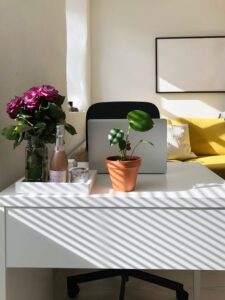
Tips for Creating a Cozy and Inviting Home Office Space
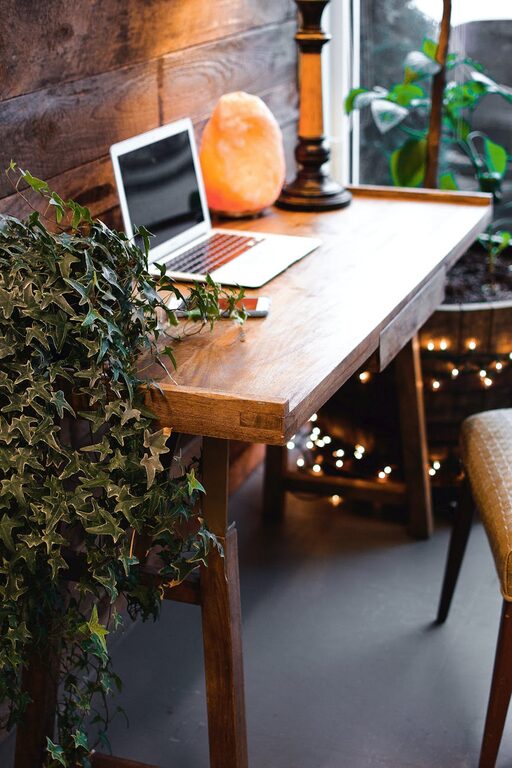
Creating a home office that feels cozy and inviting is more important than ever. Whether you work remotely full-time or occasionally need a quiet spot to get things done, having a comfortable workspace can truly enhance your focus and well-being. A cozy home office doesn’t just mean adding soft blankets or cushions; it’s about designing a space that reflects your needs and personality while encouraging productivity. Here are some helpful tips for making your home office both pleasant and practical.
Choose the Right Location
Before you start decorating, find the best spot in your home for your office. Ideally, it should:
– Be quiet and free from distractions
– Have good natural light
– Allow enough space for your desk and any storage needs
If you don’t have a separate room, consider a corner in your living room, bedroom, or even a nook under the stairs. The key is to create a designated area that helps you mentally separate work from leisure.
Invest in Comfortable and Functional Furniture
Your desk and chair are the foundation of your home office. Choosing the right furniture can make a huge difference in comfort and productivity.
– Ergonomic chair: Look for one with adjustable height and lumbar support to keep your back healthy.
– Appropriately sized desk: Ensure your desk has enough surface area for your computer, documents, and other essentials without crowding.
– Storage solutions: Add shelves, filing cabinets, or organizers to keep clutter off your desk and within easy reach.
Comfort encourages longer focus periods and reduces physical strain, so don’t skimp on quality.
Add Warm Lighting
Lighting sets the mood and helps prevent eye strain.
– Maximize natural light: Position your desk near a window if possible, and use sheer curtains to soften direct sunlight.
– Use layered lighting: Combine overhead lights with task lamps or desk lamps for flexibility.
– Choose warm bulbs: Soft white or warm yellow bulbs create a cozy, welcoming atmosphere compared to harsh, bright white light.
Good lighting enhances your workspace and helps maintain energy throughout the day.
Incorporate Personal Touches
Your home office should feel like your space. Adding personal touches makes it more inviting and helps motivate you.
– Decorate with art or photos: Choose images or prints that inspire or relax you.
– Use plants: Greenery adds life and improves air quality. Consider easy-care plants like pothos or succulents.
– Add textiles: A soft rug, cozy throw, or cushioned chair pad can make your office feel warmer and more comfortable.
– Display meaningful objects: A favorite mug, motivational quotes, or small souvenirs can boost your mood.
Balancing personal items with function keeps the space enjoyable without becoming distracting.
Stay Organized
A cluttered workspace can affect productivity and cause stress. Keep your home office organized with these tips:
– Use storage baskets or boxes: Keep supplies grouped and hidden when not in use.
– Sort cables: Use cable organizers or clips to prevent wires from tangling.
– Maintain a filing system: Even digital files should be categorized for easy retrieval.
– Clean regularly: Spend a few minutes at the end of each day tidying up to maintain order.
An organized office promotes focus and efficiency.
Incorporate Technology Thoughtfully
Technology can improve your productivity but also contribute to clutter or distractions if not managed well.
– Choose wireless devices: Reduce cables with wireless keyboards, mouse, and printers.
– Use monitors or laptop stands: Position screens at eye level to improve posture.
– Keep devices charged: Use multi-port chargers and avoid cords running all over your desk.
– Consider noise control: White noise machines or noise-cancelling headphones can help you focus.
Make sure all your tech helps rather than hinders your work experience.
Pay Attention to Color and Style
Colors influence mood and energy. For a cozy and inviting home office, consider:
– Soft, muted tones: Colors like soft blues, greens, beige, or pastels create a calming environment.
– Accent colors: Add pops of color through accessories like cushions, lamps, or art.
– Natural materials: Wood, wicker, or linen add warmth and texture.
– Consistent style: Choose furniture and décor that blend well for a harmonious look.
The right palette and style can make your office feel like a relaxing retreat.
Create Zones for Different Activities
If your space allows, set up different zones for various work tasks:
– Workstation zone: Your main desk area for computer work.
– Reading or brainstorming zone: A comfy chair or small table for spreads of paper, books, or meetings.
– Storage zone: Shelves or cabinets dedicated to supplies and files.
Having separate areas helps keep your workflow organized and breaks your day into manageable chunks.
Incorporate Break Time Features
Encourage regular breaks to refresh your mind:
– Include a cozy spot: A small armchair or cushion area invites you to step away for a few minutes.
– Keep refreshments nearby: A water bottle or tea station helps you stay hydrated.
– Add a clock or timer: Use it to remind yourself of break times without losing track of work.
Taking breaks in a welcoming space supports mental health and productivity.
—
Designing a cozy and inviting home office is about creating a balance between comfort and functionality. By thoughtfully choosing your space, furniture, lighting, and décor, you can build an environment that supports your work habits and feels like a pleasant place to spend your day. Try these tips, and soon your home office will become your favorite room for focus and creativity.